Building an Autonomous Hardware Submission Around the Mobility Underwriting Form Not the Default Robotics Application
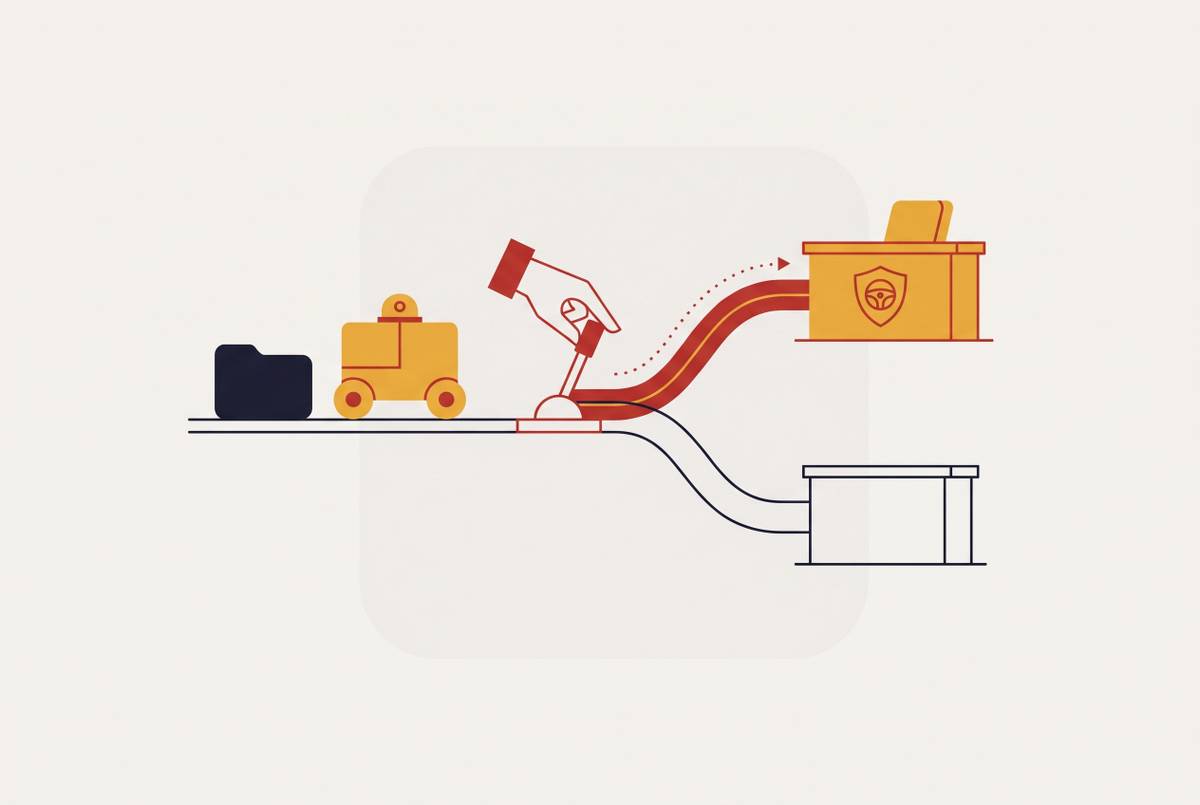
Mobility forms capture the operating evidence that underwriters need to price autonomous risk.
Callum Adeyemi
Section
16 stories in AV Insurance.
Mobility forms capture the operating evidence that underwriters need to price autonomous risk.
A submission that explains autonomous operations gets priced as an AV risk.
Matching autonomous hardware to the right desks keeps losses from falling between policies.
Underwriters need documented decision authority to price autonomous hardware risk.
Document your AV operation as transportation, not factory equipment, to get correct insurance.
Specialists catch misfilings that leave AI operations out of autonomous hardware underwriting.
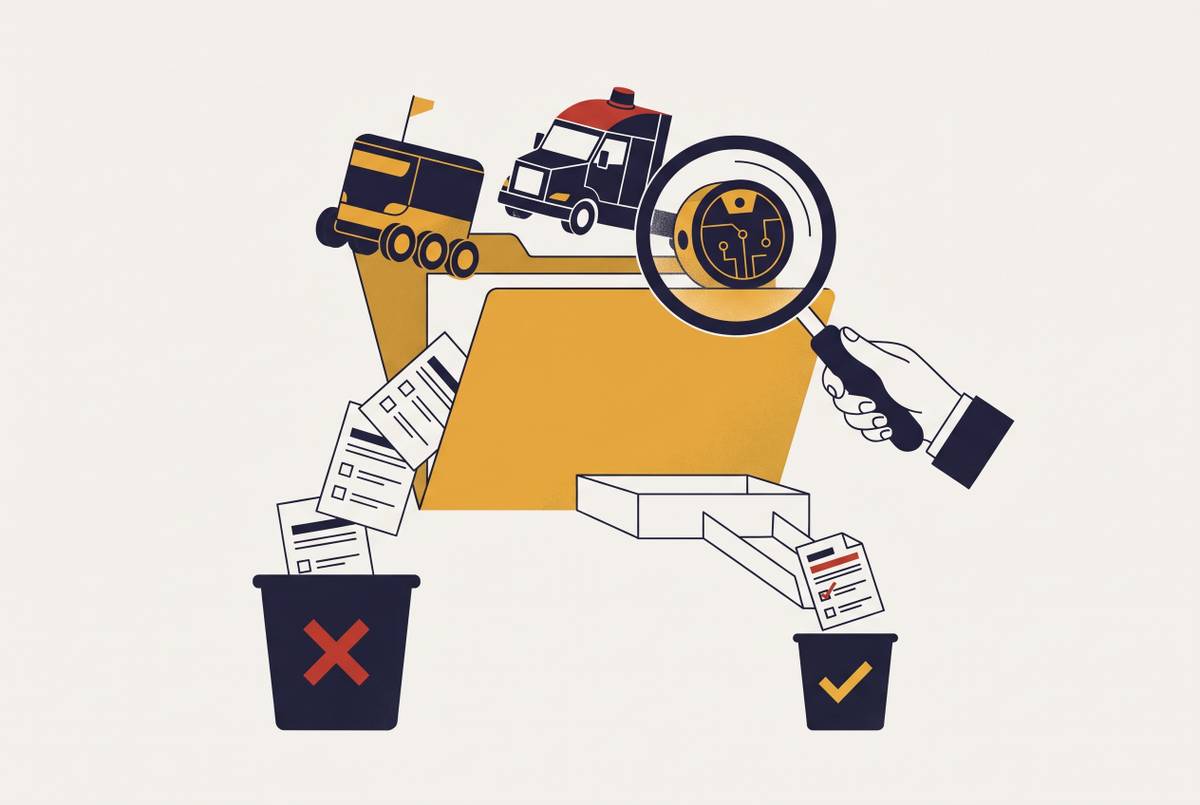
Insurers reject most autonomous hardware files for missing four key proofs of operational maturity.
Lead with control, domain, and liability allocation or lose the underwriter at triage.
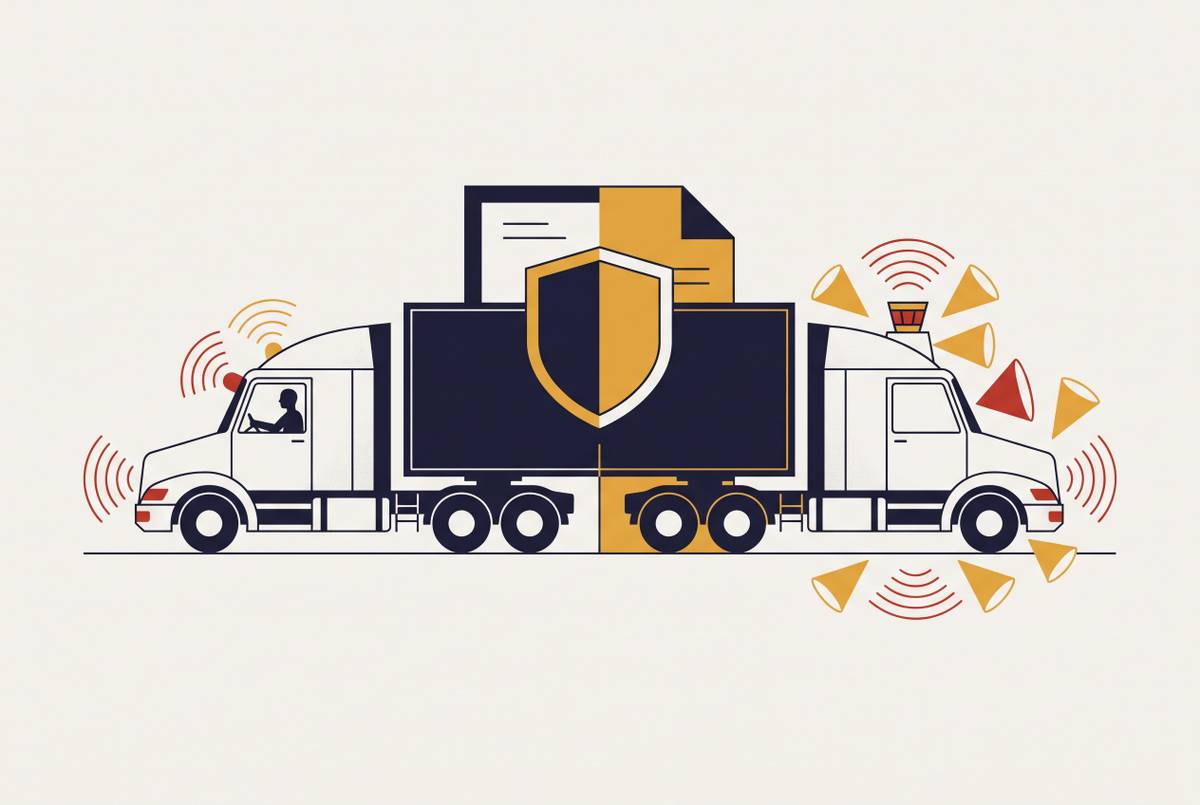
Driverless trucks need layered coverage that driver-based fleet policies cannot provide.
How robotaxi operators must layer coverage to meet contracts.
Insurers need clear ADS architecture to underwrite autonomous carriers under MCS-90.
Insurance policies built for human drivers leave autonomous fleets exposed to unfunded risks.
Insurance floors for autonomous vehicles vary by state, not by federal rule.
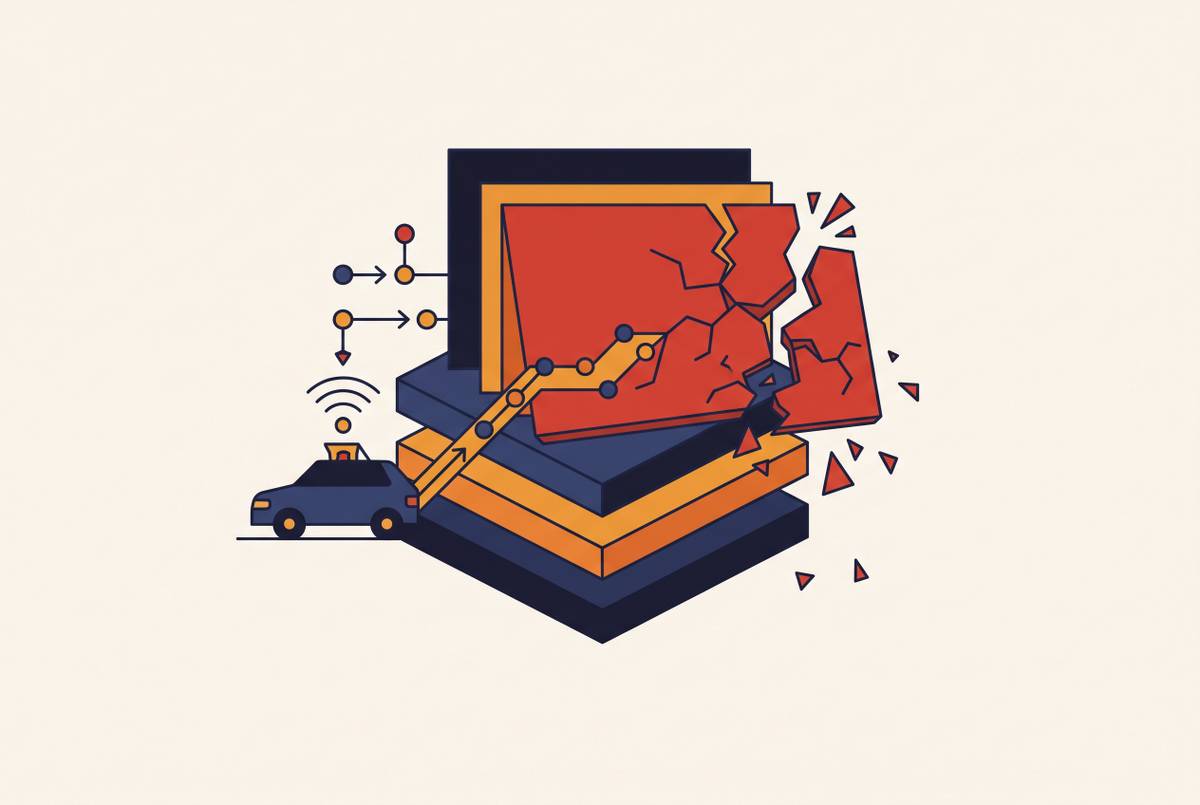
Standard forms collapse at Level 4 because they were built to judge drivers, not software.
Liability shifts from drivers to manufacturers as autonomous vehicles complicate fault.
Robotics insurance is not one policy. Which coverage lines a robot maker, fleet operator or integrator needs, by where the robot works, and what underwriters ask.